What to look for in blind features before you choose
Understanding the key features that matter most
Choosing new window coverings involves more than picking a colour you like. The range of options available today can feel overwhelming, especially when you are trying to match function with style. Whether you are updating a single room or fitting out an entire home, knowing which features actually affect day-to-day use helps you make a confident decision.
Every window has its own quirks. Light levels, room purpose, and the way you want the space to feel all play a part. Before you start comparing fabrics or finishes, it pays to understand what each feature does and why it might matter in your particular situation. This article runs through the main blind features you should consider, so you can focus on what genuinely improves your home.
Window recess and fitting options
The first practical decision is how the blind will sit in relation to the window. A recess fit means the blind mounts inside the window opening, sitting flush with the wall. This gives a neat, built-in look and works well if you have deep window reveals. It also keeps the blind tucked away from the room, which can help with light control at the edges.
An outside fit, by contrast, mounts on the wall or ceiling above the window. This option suits windows that lack a deep recess or where you want to make the window appear larger. It also blocks more light around the edges because the blind extends beyond the frame. Your choice here affects everything from how much light enters the room to how the blind interacts with curtains, handles, or window furniture.
Measuring accurately for either option is straightforward, but small errors can lead to gaps or binding. For a recess fit, you need the exact width at the top, middle, and bottom, then take the narrowest measurement. For an outside fit, you decide how much extra coverage you want on each side. Getting this right from the start avoids later frustration.
Light control and privacy levels
Not all blinds handle light the same way. Some fabrics let a soft glow filter through, while others block it completely. The term "blackout" is common, but not all blackout fabrics perform equally. A true blackout material uses multiple layers or a special coating to stop light passing through. This matters most in bedrooms, nurseries, or home cinema rooms where you want total darkness.
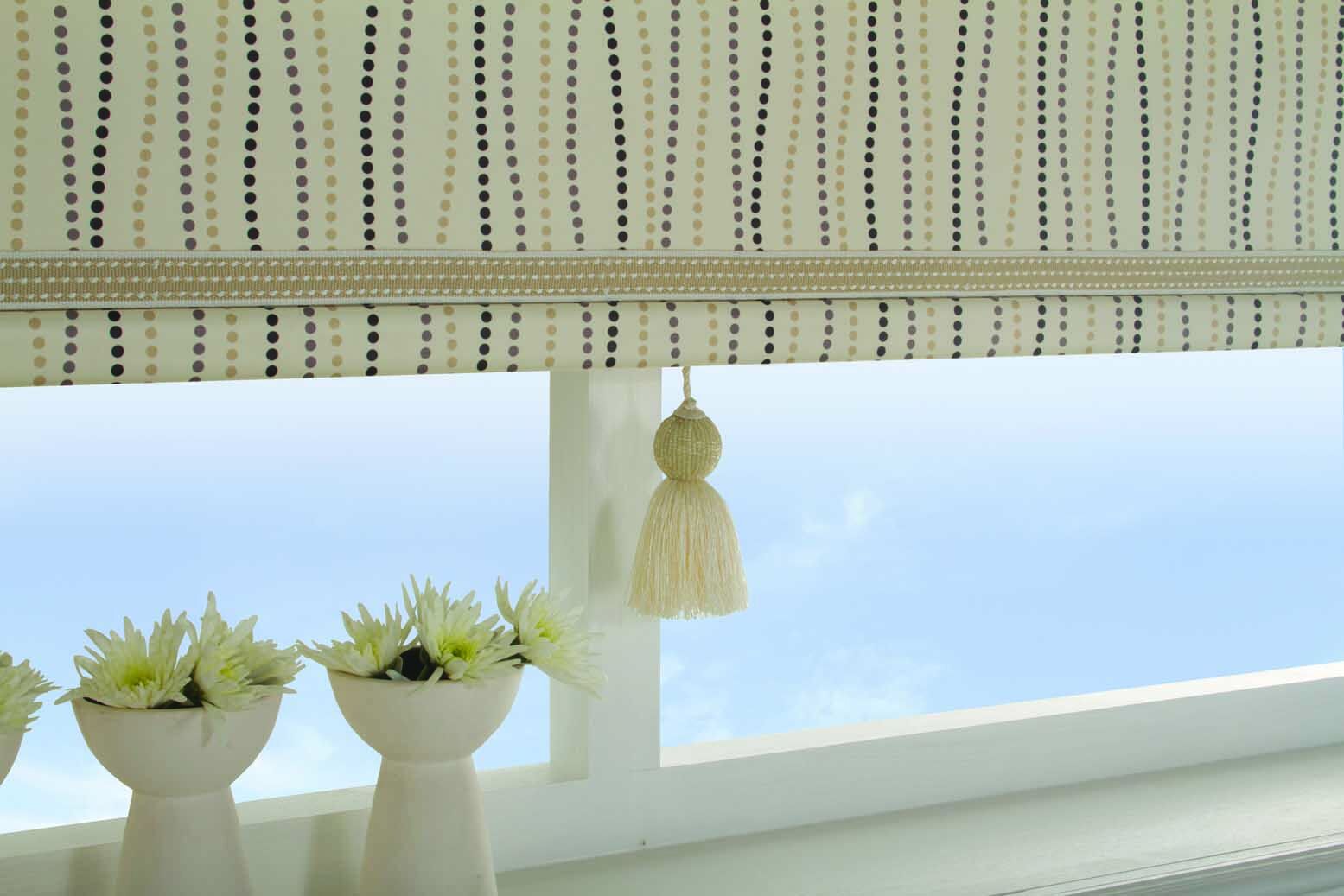
For living areas, you might prefer a fabric that diffuses light without making the room feel dark. These translucent materials soften harsh sunlight while still letting you see outside during the day. They also provide daytime privacy because people outside cannot see in clearly when the light inside is lower.
Privacy level goes hand in hand with light control. In a ground-floor room facing the street, you may want a fabric that obscures the view in both directions, regardless of the time of day. Upstairs rooms might only need privacy at night, so a lighter fabric with a dim-out lining could be enough. Think about when you use the room most and who might be looking in.
Blind fabric and material choices
The fabric you choose affects durability, maintenance, and how the blind looks as it ages. Natural materials like wood or bamboo bring warmth and texture, but they can warp in humid conditions such as bathrooms or kitchens. Synthetic fabrics tend to resist moisture and fading better, and they are usually easier to clean with a quick wipe.
Some fabrics have a coating that repels dust and stains, which is useful in high-traffic areas or homes with children. Others are designed to reduce glare on screens without darkening the room entirely. The weight of the fabric also matters; heavier materials hang more neatly and are less prone to curling at the edges over time.
Colour scheme is another factor that goes beyond mere taste. Light-coloured fabrics reflect heat and keep rooms cooler in summer, while dark materials absorb warmth and can help insulate during colder months. If you have large south-facing windows, a pale fabric might save you from excessive heat gain. For a cosy north-facing room, a darker shade can add warmth visually and practically.
Slat size and operation style
For Venetian or vertical blinds, slat size is a feature that influences both appearance and function. Narrower slats, around 25 mm, suit smaller windows and give a more delicate, modern look. Wider slats, such as 50 mm, feel bolder and allow better light control because fewer gaps exist between them. They also let in more light when fully open, as the slats stack more compactly.
Vertical blinds use wider slats by nature, and the choice usually comes down to how they fit the room's proportions. Tall patio doors benefit from longer vertical slats, while a standard window might look better with a horizontal Venetian style. The operation mechanism matters too; corded systems are traditional, but cordless options are increasingly popular for safety and simplicity. Motorised blinds add convenience, especially for hard-to-reach windows, and can be integrated with smart home systems for automated schedules.
Practical considerations for everyday use
Think about how often you will adjust the blind. In a bedroom, you might open and close it twice a day, so a smooth, reliable mechanism matters. In a seldom-used guest room, a simpler system may be perfectly adequate. The same logic applies to cleaning: if the blind is in a kitchen, it will need wiping down more often, so a wipe-clean fabric or a slat design that sheds dust easily is a practical choice.
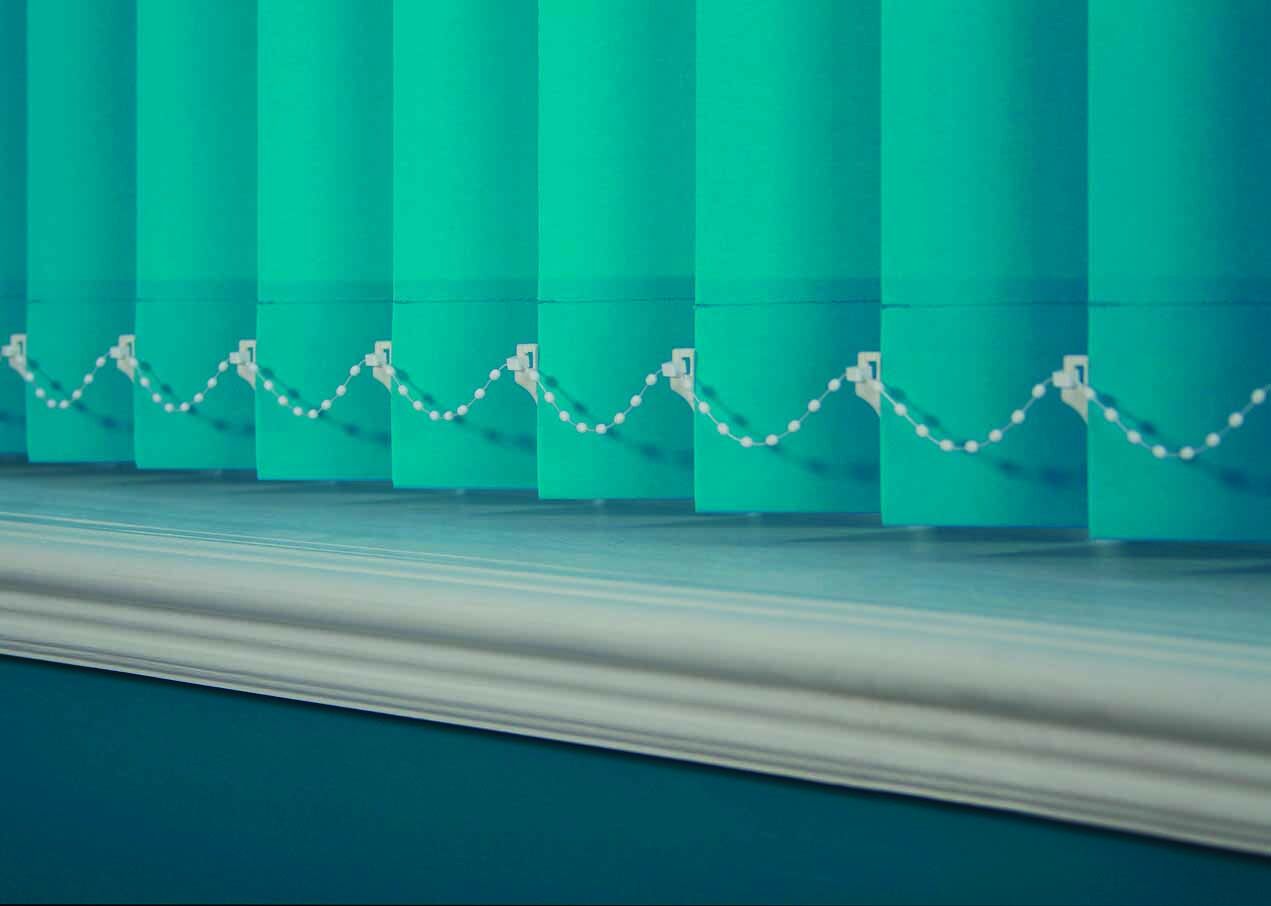
Many people overlook the importance of the control side placement. If the blind is next to a piece of furniture, make sure the cord or wand can be reached without awkward stretching. For windows above a sink or worktop, a wand control on the opposite side might work better. These small details add up to a blind that feels right in daily use.
For homes with children or pets, safety features are worth checking. Cordless systems eliminate dangling loops, and tension devices can secure loose cords. Many modern designs incorporate these features without compromising appearance, so you do not have to choose between safety and style.
How custom sizing changes the picture
Standard-sized blinds can work for some windows, but they rarely fit perfectly. Even a few millimetres of gap around the edges lets in light and reduces privacy. This is where made-to-measure options make a real difference. With blinds tailored to each window, every dimension is set to the exact opening, leaving no unintended gaps and ensuring a clean, professional finish.
The process of ordering custom sizes is simpler than many people expect. You measure the width and drop of your window, then choose your preferred fabric, slat size, and control option. The blind is manufactured to those exact numbers, so it arrives ready to install without adjustments. This approach also lets you mix features across different rooms. You might choose blackout fabric for the bedroom and a light-filtering material for the lounge, all from the same range, because each blind is made individually.
A common worry is that custom sizing costs more. While the upfront price can be higher than a basic stock blind, the fit and longevity often make it better value. A blind that fits correctly puts less strain on its mechanism and looks neat for years. It also avoids the frustration of returning ill-fitting products or needing to fill gaps with additional trim.
Colour scheme and room coordination
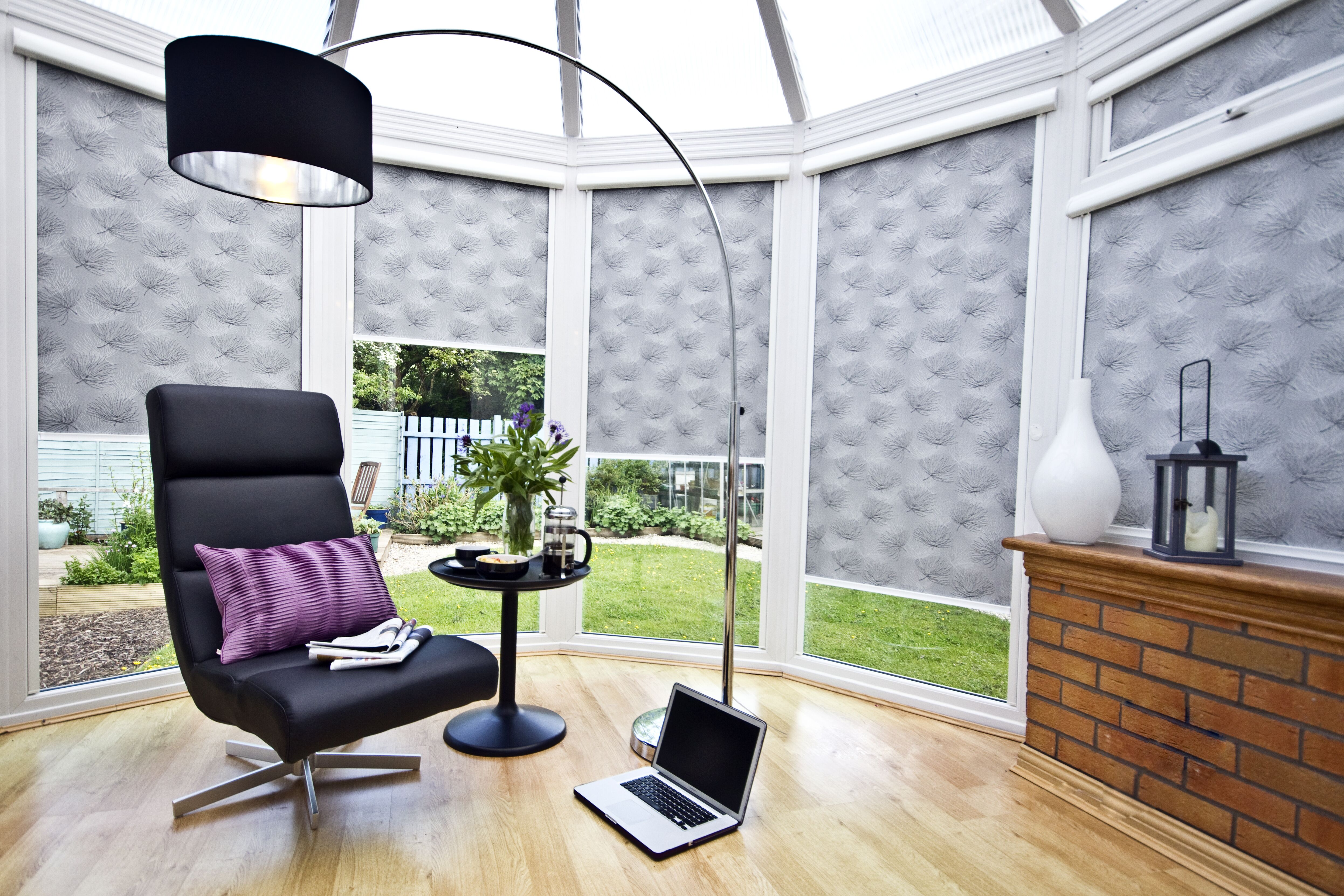
Blinds are a permanent part of your room's decor, so the colour you choose should work with both your current furnishings and any changes you plan. Neutral tones like white, cream, or grey are safe choices that blend with most schemes. They also reflect light, which can make a small room feel larger.
If you want a bolder statement, consider using the blind as an accent colour. A deep blue or forest green can add character to a plain room without overwhelming it. Patterned fabrics are another option, but they work best when the rest of the room stays relatively simple. Too many competing patterns can make the space feel busy.
The finish of the fabric matters as well. A matte surface hides fingerprints and dust better than a gloss finish. Textured fabrics add depth and can soften the look of a room with hard surfaces like tile or wood flooring. Take a fabric sample home and look at it in different lights before deciding. Colours appear differently under natural daylight compared to artificial evening light.
Making your choice with confidence
The best blind for your home depends on balancing features that matter most to you. Start with the practical side: measure the window carefully, decide on recess or outside fit, and choose a fabric that suits the room's conditions. Then consider the aesthetics: colour, slat size, and how the blind operates. Each choice affects the others, so it helps to prioritise what you cannot change later.
Light control and privacy are usually the top priorities for most rooms. From there, you can refine based on ease of use, maintenance, and how the blind fits into your daily routine. The beauty of having blinds tailored to each window is that you do not have to compromise. Every window can have exactly the features it needs, whether that is a blackout lining for a nursery or a moisture-resistant fabric for a bathroom.
Take your time comparing options. Look at how different fabrics handle light, test the operation of a few mechanisms, and imagine the blind in place. When you understand what each feature does, the choice becomes much simpler. You end up with a blind that works well, looks right, and lasts.